CBD for Back Pain: 7 Honest Truths About What People Are Actually Trying
Real evidence, real risks, and real history behind CBD for back pain, from illegal-market roots to what current research actually shows.
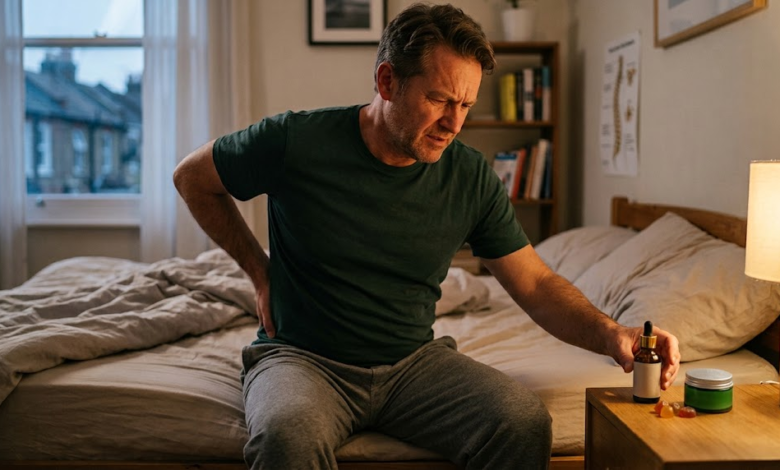
CBD for back pain has become one of the most searched wellness terms of the past decade, and for good reason. Millions of people deal with chronic or acute back pain every year, and a lot of them are tired of choosing between opioids that carry addiction risk and NSAIDs that upset their stomach after months of use. So they turn to the internet, they read a few glowing reviews, and they buy a bottle of CBD oil hoping it will do something.
This article isn’t here to sell you anything. It’s here to walk through what CBD for back pain actually means in practice, where the idea came from, what the research says right now, and what the honest tradeoffs look like. That includes some uncomfortable history. Long before CBD oil was sitting on pharmacy shelves next to the vitamins, people with chronic pain were buying cannabis and cannabis extracts through illegal channels because there was no legal alternative. Some of that history explains why the CBD market today looks the way it does: unregulated, inconsistently labeled, and full of products that make claims no government agency has verified.
If you’re trying to figure out whether CBD oil for back pain is worth trying, or you’re just curious what people are actually experiencing versus what marketing copy promises, this is meant to give you a grounded, realistic picture rather than another sales pitch.
What CBD for Back Pain Actually Means
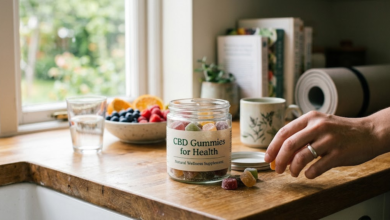
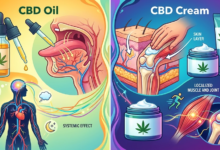
CBD, short for cannabidiol, is one of more than 100 compounds found in the cannabis plant. Unlike THC (tetrahydrocannabinol), it doesn’t produce a high. It’s typically extracted from hemp, a cannabis variety bred to contain very low levels of THC, and sold as oils, capsules, topical creams, and gummies.
The theory behind using CBD for pain relates to the endocannabinoid system, a network of receptors in the body involved in regulating pain signals, inflammation, and mood. CBD interacts with parts of this system, though scientists are still working out exactly how and to what degree. That “still working out” part matters a lot, because it’s the gap between what’s biologically plausible and what’s actually been proven in humans with back pain specifically.
When people say they’re using CBD for lower back pain, they usually mean one of a few things:
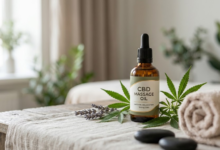
- Rubbing a CBD-infused cream or balm directly onto the sore area
- Taking CBD oil drops under the tongue daily
- Swallowing CBD capsules as part of a supplement routine
- Using a combination product that also contains menthol, arnica, or low-dose THC
Each of these has a different absorption pattern and a different realistic chance of doing anything measurable for musculoskeletal pain.
The History Behind CBD for Back Pain: From Illegal Markets to Store Shelves
This is the part most articles skip, and it’s worth understanding because it shapes everything about the current market.
What People Risked Before Legalization
Before the 2018 Farm Bill legalized hemp-derived CBD at the federal level in the United States, cannabis and its extracts were classified as Schedule I controlled substances. That didn’t stop people in chronic pain from seeking them out. For decades, people with severe back pain, nerve damage, and post-surgical pain bought cannabis oils and tinctures through underground dispensaries, street dealers, and gray-market “cannabis clubs” that operated in legal limbo even in states with early medical marijuana laws.
This illegal market created real problems that still echo today:
- No quality control. Products sold outside legal, regulated channels were sometimes cut with solvents, contaminated with pesticides, or simply mislabeled. Buyers had no lab report and no recourse if the product made them sick or did nothing at all.
- Legal risk for patients. People managing legitimate chronic pain faced arrest, prosecution, and criminal records simply for trying to manage their symptoms in the absence of any legal option.
- No dosing standards. Without regulation, concentration varied wildly from batch to batch, so what worked one week might do nothing, or too much, the next.
Some of the earliest documented interest in cannabinoids for musculoskeletal pain actually came out of this underground period, when patient communities shared informal knowledge about which strains or extracts seemed to help with spasms and chronic pain, long before any clinical trials existed to confirm or deny those experiences.
How the 2018 Farm Bill Changed the Market, and What It Didn’t Fix
The Farm Bill removed hemp and hemp-derived CBD (with less than 0.3% THC) from the federal controlled substances list. That opened the door to legal retail sale, and the CBD industry exploded almost overnight into gas stations, pharmacies, and grocery store shelves.
But legalization of the plant didn’t mean the FDA approved CBD as a treatment for anything except one specific drug, Epidiolex, used for rare forms of epilepsy. Everything else on the shelf, including every cream and tincture marketed for back pain, is sold as a supplement or cosmetic without the FDA verifying its safety or effectiveness for pain relief. The FDA has renewed and expanded its consumer alert on CBD, citing gaps in safety data including liver toxicity risks at sustained doses and drug interactions with commonly prescribed medications like blood thinners and seizure drugs. In other words, the legal status changed, but a lot of the uncertainty that defined the illegal-market era never actually went away. It just moved from back alleys to unregulated retail shelves.
What the Research Actually Shows About CBD for Back Pain
This is where a realistic article has to slow down, because the gap between marketing and evidence is wide.
The Clinical Trial Data
The most relevant controlled study looked directly at CBD for acute back pain in an emergency room setting. Australian researchers gave 100 people with acute lower back pain either a single 400-milligram dose of CBD or a placebo. The result: after two hours, there was no measurable difference in reported pain between the two groups, and there was no difference in opioid use or length of hospital stay.
Harvard Health has been blunt about this gap between hype and evidence, noting that CBD is emerging as a promising area of research for pain, but few human studies have actually tested its effectiveness, even as the cannabis industry’s profit motive drives a wave of claims about what it can do. That’s not an argument that CBD does nothing. It’s a reminder that the confident language on product packaging is running well ahead of the science.
What Patients Actually Report
Despite the lack of strong trial evidence, a lot of people with spine-related pain are already using CBD and reporting benefit. A survey of spine surgery patients found that out of 214 completed surveys, 54 patients, or about 25%, reported using CBD for spine-related pain, most commonly starting it for back pain, followed by neck and leg pain. A separate patient survey on CBD use for musculoskeletal pain found pain relief was the most commonly reported benefit at 46.3%, followed by improved sleep and reduced anxiety, though 24.1% of users reported no benefit at all, and most users said they’d recommend it to a friend.
That’s a genuinely mixed picture. Roughly a quarter of users notice nothing. Close to half report some relief. And the studies designed to isolate CBD’s actual effect from the placebo effect haven’t found a clear signal yet, at least for acute low back pain specifically. Chronic pain, different dosing, and combination products with THC may behave differently, but that’s still an open research question rather than a settled answer.
Why People Keep Trying CBD for Back Pain Anyway
Given that mixed evidence, it’s worth asking honestly why so many people still reach for it. A few real reasons come up again and again:
- Opioid fatigue. After watching the opioid crisis unfold, a lot of people are actively looking for anything that isn’t an opioid, even if the alternative is unproven.
- NSAID limits. Long-term use of ibuprofen or naproxen carries real risks to the stomach, kidneys, and cardiovascular system, so people look for something they perceive as gentler.
- Low perceived risk. CBD is marketed as natural and non-intoxicating, which makes it feel like a low-stakes experiment compared to prescription medication.
- Word of mouth. Most people who start using CBD for pain say a friend or family member recommended it, not a doctor, which shapes expectations before any product is even purchased.
- Frustration with conventional treatment. Chronic back pain is notoriously hard to treat well, and after months or years of physical therapy, injections, and medication with limited results, people become open to trying something outside the standard toolkit.
None of these reasons are irrational. They’re understandable responses to a genuinely difficult, chronic condition. But understandable doesn’t mean the product will necessarily work.
The Real Risks Nobody’s Marketing Copy Mentions
Product Quality and Labeling Problems
Independent lab testing of CBD products has repeatedly found a mismatch between what’s on the label and what’s actually in the bottle, sometimes containing far less CBD than advertised, sometimes containing detectable THC in products marketed as THC-free. This is a direct holdover from the unregulated, illegal-market era: because CBD supplements aren’t approved or regularly tested by the FDA the way prescription drugs are, buyers are still largely trusting the manufacturer’s word.
Drug Interactions and Liver Concerns
This is the risk that gets the least attention in consumer marketing. CBD is processed by the same liver enzymes that metabolize a long list of common medications, including blood thinners, seizure medications, and some antidepressants. Taking CBD alongside these can change how much of the other drug is active in your system, which is exactly why the FDA’s updated alert specifically calls out drug interaction risks and liver toxicity concerns at sustained doses. If you’re on any prescription medication, this is not a detail to skip past.
The Cost of Chasing Relief
There’s also a quieter cost. People with chronic back pain sometimes spend months and hundreds of dollars cycling through CBD products, brands, and dosages, hoping the next one will be the one that works, time and money that could have gone toward physical therapy, targeted exercise, or a proper diagnostic workup.
How People Are Actually Using CBD for Back Pain
Based on survey data and common patterns, real-world use tends to look like this:
- Topical application directly on the lower back, usually a cream or roll-on, applied once or twice daily to a specific sore spot
- Sublingual oil drops, held under the tongue for 60 to 90 seconds before swallowing, taken once or twice a day
- Capsules or softgels, taken more like a daily supplement for consistent dosing
- Combination products, mixing CBD with menthol, camphor, or in legal cannabis states, low-dose THC for a stronger effect
Frequency matters too. In one patient survey, CBD was most often used 2 to 5 times per week, and the most common way people first heard about it was through friends or family rather than a doctor. That word-of-mouth pattern is worth sitting with. It means a lot of people are dosing based on someone else’s experience rather than any clinical guidance.
What to Do Before Trying CBD for Back Pain
If you’re still considering it after all of this, here’s a realistic, ethical starting point:
- Talk to your doctor first, especially if you take any prescription medication, given the interaction risks described above
- Check for third-party lab testing on any product you’re considering, and look for a certificate of analysis, not just a label claim
- Start with topical products if you’re nervous about systemic effects, since they carry a lower risk of drug interaction than oral CBD
- Keep a symptom log for two to four weeks so you can honestly tell whether anything changed, rather than relying on memory or hope
- Don’t stop other treatment like physical therapy, movement, or prescribed medication on the assumption that CBD will replace it
- Buy from a licensed retailer, not an unregulated online seller with no verifiable business address, a habit left over from the black-market era that still causes real harm
Is CBD for Back Pain Worth Trying? A Realistic Take
The honest answer is that it depends on what you’re expecting. If you’re hoping for a dramatic, proven cure, the current evidence doesn’t back that up, and the one controlled trial on acute low back pain found no benefit over placebo. If you’re open to a low-risk experiment, understand the drug interaction risks, and buy from a tested, reputable source, some people do report meaningful relief, even if science hasn’t fully explained why yet.
What’s not worth doing is buying into the idea that CBD is risk-free just because it’s legal and sold next to the vitamins. The path from illegal back-alley cannabis extracts to legal retail CBD didn’t eliminate the uncertainty around quality and safety. It just changed where that uncertainty lives.
Conclusion
CBD for back pain sits in a strange middle ground right now: legal, widely available, and used by a meaningful share of people with chronic and acute pain, but still lacking strong clinical proof that it works better than a placebo, at least based on the best controlled data available so far. Its history matters here, because the unregulated, inconsistent, sometimes contaminated products that defined the illegal cannabis market didn’t disappear after legalization, they simply moved into a legal but still loosely regulated retail space. Anyone considering it should go in with real information rather than marketing promises: talk to a doctor, especially if other medications are involved, look for actual lab testing, keep expectations modest, and treat it as one possible tool among many rather than a replacement for evidence-based care.