What are the Best Recommended Treatments for Thinning Hair and Hair Regrowth?
Explore hair loss treatments, from lifestyle changes and minoxidil to exosome-based hair care, and understand options for addressing thinning hair.
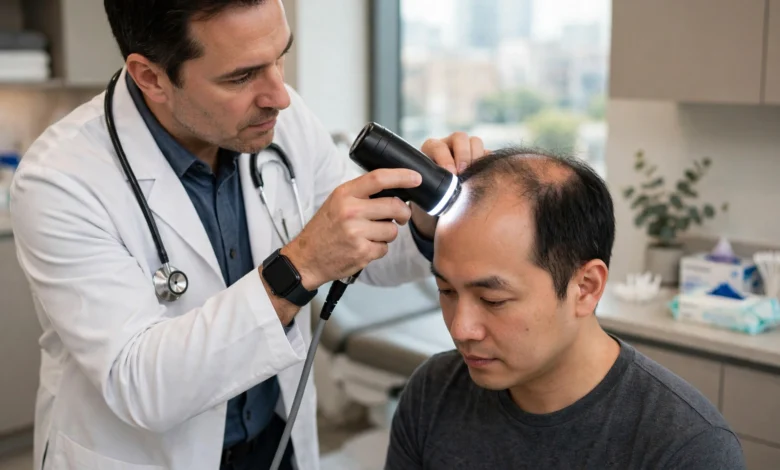
Hair loss can start quietly. A widening parting, thinning around the temples, or more strands appearing during everyday grooming may be the first signs something’s changed. While hair thinning is often associated with aging and genetics, the causes can be much more diverse.
Excessive shedding can be linked to stress, illness, rapid weight loss, and hormonal changes. As awareness of these triggers increases, so does interest in treatments that focus on hair growth instead of simply masking thinning areas.
Best recommended treatments for hair loss depend on what is causing the problem. Lifestyle changes, standard treatments such as minoxidil, and novel exosome-based hair care are worth considering. For anyone worried about thinning hair, it’s a useful first step to understand how these options differ.
Hair Loss: What is it, and why is it important for treatment?
It’s not just one thing that causes hair loss. In some individuals the thinning is gradual and associated with hereditary factors; in others it may be noticed after severe physical or emotional strain.
Androgenetic alopecia is one of the most well-known types of hair loss. Figures cited by Alopecia UK suggest that more than half of adults will suffer from this genetically influenced condition at some point in their lives. But genetics doesn’t account for all cases of over-shedding.
As for COVID-19, the research referenced states that the physical stress of the infection can cause hair loss later. Weight loss, particularly rapid weight loss from medications like semaglutide, may trigger hair loss.
Workplace pressure may be a factor, too. In fact, a Cigna study quoted in discussions on modern hair health found that 84% of employees felt stressed. While this statistic does not indicate a direct link between work-related stress and hair loss, it does highlight the prevalence of a potentially relevant lifestyle factor.


Dr. Neil Sadick, a New York-based dermatologist and clinical professor of dermatology at Weill Cornell Medicine, has seen a changing profile of people seeking help for thinning hair. Rather than being concerned for older men, more and more attention is being paid to those affected by modern stressors and lifestyle changes.
These differences are significant because one treatment that promotes follicle activity may be targeting a different aspect of hair health than another that targets overall well-being.
Which Hair Loss Treatments Are Worth Trying?
There isn’t a single strategy that works for every thinning pattern. Established treatments, lifestyle support, and newer technologies focused on the environment surrounding the hair follicle are among the options.
Minoxidil + LED Light Therapy
Some of the conventional approaches often talked about in hair loss treatment are minoxidil and LED light therapy. Both have been a part of the treatment landscape for a long time, but whether they’re appropriate depends on the individual circumstances.
For those considering these options, the key issue is how well a given approach matches their concerns and treatment preferences. Dr. Sadick has recognized that newer haircare technologies may be useful alternatives for those seeking alternatives to these familiar therapies.
Nutrition, Sleep, and Stress Management
Along with dedicated hair treatments, it is worth paying attention to lifestyle factors. Protein and essential fatty acids create the right environment for hair growth. Thus, dietary intake may be worth reviewing when there has been a major change in nutritional habits, especially when there is rapid weight loss.
Another factor to consider is sleep. Studies have linked sleep problems and hair loss, but that doesn’t mean lack of sleep is the cause of every case of thinning hair. A GP can help explore individual circumstances where diet or sleep are suspected to have a role in hair changes.
Stress management may also be a component of a more general approach, particularly where shedding follows a stressful period or physical illness.
These are not replacements for every kind of hair treatment. They are useful in that they can fix things that may be part of the problem as a whole.
What Is The Role Of Exosomes In Hair Growth?
The haircare industry is increasingly looking into the ability of exosomes to communicate with cells. These small messengers are naturally present in the body and enable the cells to communicate with each other. Scientists and hair care formulators are investigating how exosome-related technologies might promote follicle activity and enhance the appearance of thinning hair. The appeal of this method is that it focuses on the biological environment of hair growth.
One example is PTT-6®, an ingredient proprietary to Calecim Professional. The ingredient promotes hair follicles and regulates inflammation signs associated with hair loss to promote hair growth. It is the core of the brand’s Advanced Hair System, a six-week program designed to improve hair density. For those who are interested in haircare technologies that work on follicle activity, it is a different proposition to traditional therapies.
What Does the Data Say About Hair Treatments With Exosomes?
Emerging research and clinical observations highlight the interest in exosome-related hair care. A 12-week study on the effect of exosome proteins on hair follicles reported improvements in hair growth. Participants also reported less concern about hiding their hair and increased quality of life related to hair loss. These findings are important because the effects of thinning hair can go beyond the visible changes in density.
Experience in practice sees it differently. Beauty journalist Alice Hart-Davis, the founder of The Tweakments Guide, said, ‘At 61 I started to notice my temples and hair parting thinning, which I put down to hormones.’ After 4 weeks of using the Calecim hair system twice a week, she could see small new hairs in areas that had been sparse. Her experience shows one way of reacting to treatment, but individual observations do not prove that everyone will have the same outcome.
Dr. Sadick, who uses the Advanced Hair System in his practice, also said PTT-6® is a promising development for patients looking for alternatives to treatments like minoxidil and LED light therapy. Taken together, these observations help explain the increasing professional interest in exosome-related approaches and do not exclude individual circumstances.
How do I choose a hair loss treatment?
The first step to choosing a treatment is understanding what the concern is. Shedding after illness, substantial weight loss or prolonged stress may require a different conversation than genetic factors that cause gradual thinning. It can also help to differentiate between products that support overall hair health and those products that are specifically formulated to improve hair density.
Nutritional changes and sleep hygiene can be used to treat suspected lifestyle drivers. Standard treatments such as minoxidil and LED light therapy are available along with exosome-related systems that offer another avenue of treatment targeting follicle activity.
Another thing to consider is how long you will be treated for. For example, the Advanced Hair System is a structured six-week program, so there is a specific time period for application. However, the time frame of a program does not equate to a guaranty of visible regrowth.
If the cause of shedding is unclear or there are several possible contributing factors, professional guidance can be helpful. It is more useful to evaluate the proposed mechanism, supporting evidence, and relevance to the specific pattern of hair loss rather than to choose on the basis of popularity.
Are Newer Hair Growth Treatments Changing Your Options?
The conversation about hair loss is expanding beyond its traditional associations with aging and inherited thinning.
Stressed? Your hair is too! A greater awareness of stress-related shedding, post-illness hair changes, and lifestyle influences has contributed to a wider view of hair health. At the same time, exosome-related technologies are opening up new opportunities for those looking for ways to support hair growth.
So the most useful method is an informed one. By knowing the possible triggers, considering established treatments and evaluating newer follicle-centric therapies, people can make more considered decisions. If you have thinning hair, the trick is to find an approach that fits with the probable cause of the shedding, with the available evidence, and with realistic expectations for evidence improvement.